

OML11 Reactivation
Pi Global Group — Energy Platform · Structured reactivation initiative
Structured restart of a historically significant Niger Delta producing asset under disciplined governance and aligned stakeholder infrastructure.
1. Executive Positioning
Not frontier exploration. The orderly restart of a known producing asset.
Controlled strategic participation in the disciplined restart of one of Nigeria’s most historically significant producing assets.
OML11 is a historically prolific onshore Niger Delta block with established reservoirs and infrastructure corridors. The restart is structured to prioritise stability, stakeholder cohesion, and disciplined execution. The project is designed for strategic partners who understand the operating context of OML11 and the importance of alignment with host communities, local council leadership and national oversight frameworks (including NNPC) as a prerequisite for continuity.
- Disciplined restart sequencing that prioritises stability over speed.
- Governance separation to protect capital discipline and execution integrity.
- Stakeholder architecture embedded to reduce disruption risk and support long-term continuity.
- Milestone-linked deployment aligned to measurable deliverables.
2. What Makes This Work: Structure
Separation is deliberate.
Capital allocation, operational execution, partner engagement, and community obligations are separated by design to prevent overspend, reduce disruption risk, and protect long-horizon value creation.
Capital governance
Capital allocation is controlled centrally. Operational execution follows approved budgets and deliverable gates. No open-ended exposure.
Operational discipline
Phased reactivation prioritises early production, modular deployment, and stability before scaling.
Community infrastructure
Community obligations are ring-fenced and protected — treated as continuity infrastructure.
3. Asset Scale & Independent Context
Documented historical scale, disciplined present execution.
Value signals
Documented historic peak production (1973)
- Known reservoirs and production history.
- Established infrastructure corridors.
- Continuity-first restart framework informed by operating realities.
Note: Metrics are presented as context and historical reference; current performance is driven by disciplined execution and verified deliverables under the phased plan.
Operating architecture
The framework embeds alignment across host community structures, local council leadership, NNPC participation, and national oversight — supporting continuity and reducing friction-related disruption risk.
- Social licence and stakeholder cohesion treated as operating prerequisites.
- Defined roles to prevent ambiguity and execution drift.
- Milestone-funded restart limits capital at risk and improves visibility.
4. Milestone Execution Plan (Tranches)
Capital deployment is deliverable-linked.
Milestones establish early production, stabilise operating rhythm, and protect uptime through resilience buffers.
Tranche 1 — $10m
0–60 days · Mobilisation
- Licences / approvals
- Mobilisation & readiness
- Community LTO framework
- Governance readiness
Tranche 2 — $30m
First oil · Verification
- Early well reactivations
- Facilities / tie-ins readiness
- Verified lifting / export evidence
- Operational baseline established
Tranche 3 — $30m
Scale · Stability
- Expanded well programme
- Stabilised operating rhythm
- Throughput improvements
- Cashflow visibility improves
Tranche 4 — $30m
Facilities · Resilience
- Additional facilities & civils
- Pipelines / tie-ins as required
- Security & continuity measures
- Working capital / resilience buffer
Total phased deployment. Four-tranche structure totals $100m (10 + 30 + 30 + 30), deployed against defined deliverables and verification gates. Illustrative scale context: at ~10,000 bpd (milestone scale), ~300,000 bbl/month; at $85/bbl ≈ $25.5m/month before opex, downtime, losses and fiscal terms. Provided for scale context only, not a guarantee.
5. Capital Discipline & Continuity Philosophy
Capital protection first. Production stability second. Scalable long-term value third.
Capital protection
Deliverable-linked releases and controlled spend authority help protect capital and improve visibility.
Stability first
Early production and modular facilities establish a stable rhythm before expansion.
Long-horizon value
Continuity safeguards and reinvestment logic are designed to support sustained output and asset longevity.
Community engagement is treated as infrastructure — not cost. Stakeholder alignment is embedded to mitigate disruption risk and protect long-term continuity. Strategic partners are engaged with clear governance, defined interfaces, and disciplined execution gates.
6. Security
SYC
SYC has a dual role within the Pi Global Group. For members of our team, they provide executive protection and security for the organisation as a whole. For Pi Energy, they are also site and pipeline security, a key requirement to operate successfully in the West African oil and gas industry.
The SYC team has extensive experience with these tasks and can be relied upon by the rest of the Pi Global Group of companies.
7. Governance & Leadership
Capital authority and execution authority are separated by design.
Leadership is structured to ensure oversight, execution discipline, and stakeholder coordination.

Robert Amamize
Chairman, Founder of Pi Global Group of companies
Provides board-level oversight, governance stewardship, and strategic direction for long-horizon continuity.
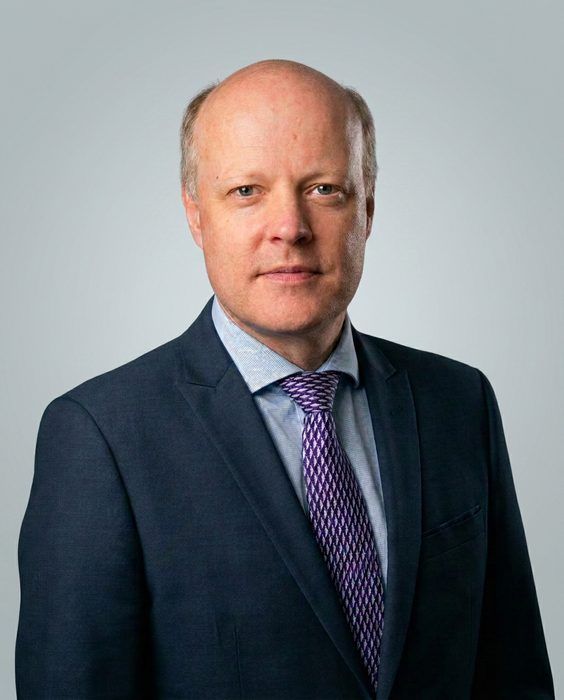
Peter Bird
Chief Executive Officer (CEO) Pi Energy, Overall Corporate Lead
Aligns capital strategy and operational execution; represents the platform across national counterparties and stakeholders.

Yvonne Adi
Finance Director
Leads financial strategy, planning, governance and compliance, supporting sustainable growth and long-term performance across Pi Global Group.

King Alfred Diete-Spiff
Strategic Leadership, Institutional & Stakeholder Continuity
Supports continuity, legitimacy, and high-level stakeholder alignment critical to long-term asset stability.

Stan Lee Feliciano Odle
Chief Investment Officer (CIO), Capital Authority
Controls capital deployment decisions, structure governance, and approval authority within the defined framework.

Prince Albert Diete-Spiff
President, Community & Sovereign Interface
Leads community and sovereign engagement to secure social licence to operate and prevent friction-related disruption.

Josephine Oge Onwuocha
Vice President, Capital Formation
Develops and manages the strategic partner pipeline; coordinates qualified engagement into CIO-led structuring.
Governance-led restart. Milestone-linked execution. Stakeholder-aligned continuity.
© Pi Global Group. OML11 Reactivation. This page is informational and intended for structured stakeholder engagement.